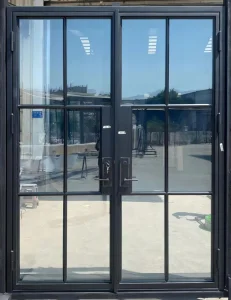
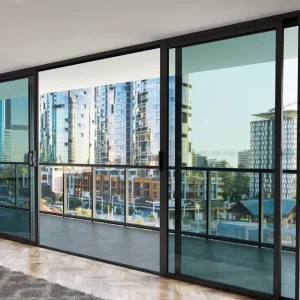
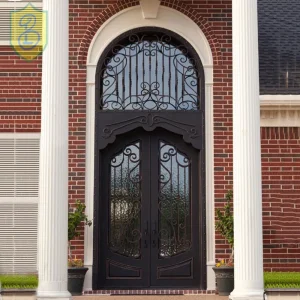
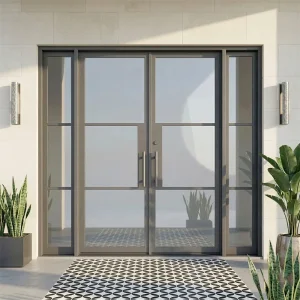
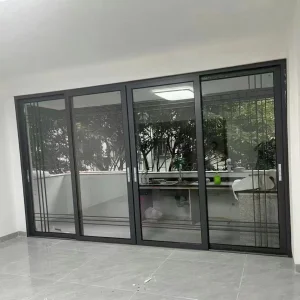
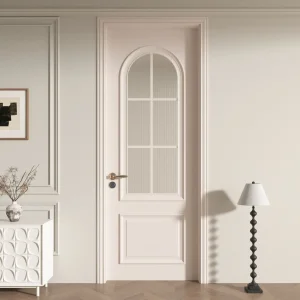
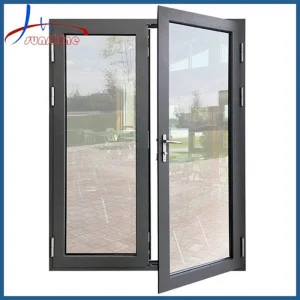
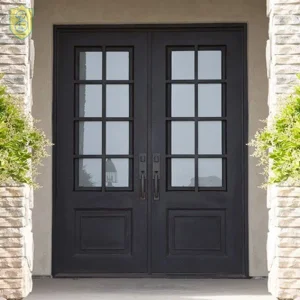
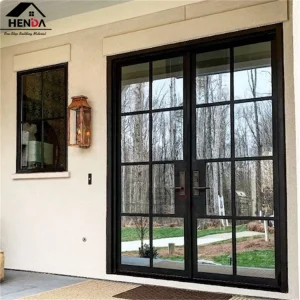
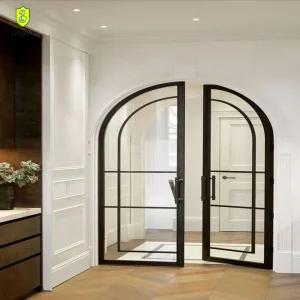
Specially calibrated French entry doors configured for optimal performance in coastal West African developments.
Benin's primary economic engine, Cotonou, lies directly along the Gulf of Guinea. This geographical location subjects beachfront properties in districts like Fidjrossè and Cocotiers to continuous marine salt spray, intense relative humidity (often exceeding 85%), and seasonal Harmattan winds carrying abrasive desert silica. Under these circumstances, standard untreated metal and low-grade aluminum frames deteriorate rapidly, resulting in localized corrosion, scale-flaking, and hardware failure.
For B2B importers, property developers, and government contractors in Benin, selecting French glass doors with advanced fluorocarbon coatings (PVDF) or marine-grade anodized finishes is not merely an aesthetic choice—it is a critical requirement for structural longevity and reducing lifetime maintenance costs.
With massive public infrastructure investments and the growth of the Glo-Djigbé Industrial Zone (GDIZ), Benin is undergoing a modern architectural transition. The demand for upscale commercial offices, luxury residential apartments, and modern retail establishments has created a strong market for French glass doors. These products offer clean lines, optimal natural lighting, and a balance of security and high-end design.
Importers are increasingly bypassing intermediaries to source directly from certified manufacturers in China who can guarantee certified wind load ratings, impact resistance (crucial for West African storm seasons), and customization options that align with international structural codes.
We bridge the gap between European design aesthetics and the physical demands of high-temperature, humid environments.
High thermal transmission is a major driver of elevated HVAC energy costs in West Africa. By integrating multi-cavity polyamide thermal barriers (PA66) into our aluminum profiles, we reduce thermal bridging, keeping interiors cool even during peak dry seasons.
Our French doors incorporate double-glazed tempered safety glass units with Argon gas fills. Low-E coatings reflect long-wave infrared heat while permitting maximum visible light transmission, reducing interior solar heat gain coefficient (SHGC).
Security remains a key priority for modern developments in Porto-Novo and Cotonou. Our profiles feature German-engineered multi-point hardware configurations to prevent forced entry while ensuring tight perimeter compression seals.
| Performance Parameters | Standard Configuration | Advanced Option (Coastal / Heavy Duty) | Applicable Standards |
|---|---|---|---|
| Aluminium Alloy | 6063-T5 (Thickness ≥ 1.4mm) | 6063-T6 (Thickness ≥ 2.0mm, Marine Grade) | GB/T 5237 / EN 755 |
| Glass Configuration | 5mm + 12A + 5mm Tempered Glass | 6mm Low-E + 16Ar + 6mm Tempered laminated safety glass | AS/NZS 2208 / EN 12150 |
| Surface Finish | AkzoNobel Powder Coating (60-80 microns) | PVDF Coating (2-Coat or 3-Coat, >30 microns) | Qualicoat Class 2 |
| Wind Pressure Resistance | Class 4 (3.0 KPa ≤ P3 < 3.5 KPa) | Class 6 (4.5 KPa ≤ P3 < 5.0 KPa) | ASTM E330 / EN 12211 |
| Water Tightness | Class 3 (350 Pa) | Class 5 (700 Pa) | EN 1027 / ASTM E331 |
With over 22 years of high-volume engineering experience, we deliver robust commercial door configurations designed to meet rigorous architectural standards.
Operating a modernized 15,000 square meter factory floor, our facilities leverage advanced CNC processing centers, automated glass sealing stations, and precision welding equipment. This setup ensures consistent quality for large-scale development projects and custom design specifications.
All raw materials undergo rigorous testing before entering our production lines. As an ISO9001 certified manufacturer, we carry out end-to-end quality assurance on key performance parameters, including structural stability, weather-sealing performance, and surface durability.
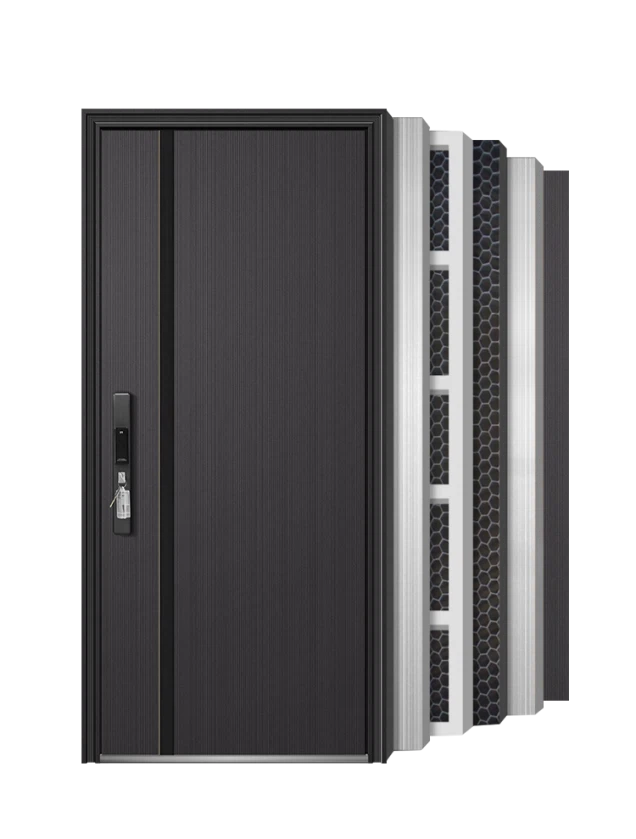
Technical Diagram: Multi-chamber glass security door engineering detail showcasing thermal boundaries and locking mechanism alignment
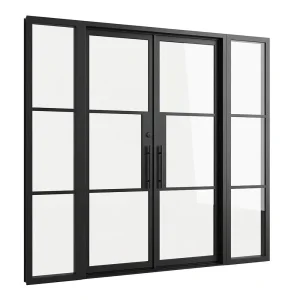
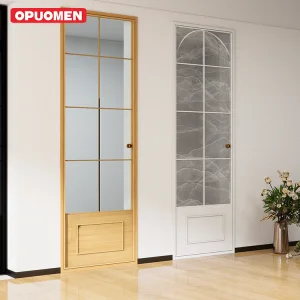
A comprehensive range of options, from robust double-front entry doors to minimal modern interior systems.
Exporting building materials into Benin requires strict adherence to West African customs protocols. All sea freight shipments bound for the Port of Cotonou (PAC) must be registered with a BESC (Bordereau Électronique de Suivi des Cargaisons) / ECTN (Electronic Cargo Tracking Note).
Our export documentation team handles the entire process, preparing detailed packing lists, commercial invoices with accurate HS codes, certificate of origin paperwork, and quality test reports. This thorough documentation minimizes clearance delays and helps you avoid unexpected storage fees at the Cotonou port.
Glass and metal products are highly vulnerable to transport damages if poorly packaged. We utilize heavy-duty, moisture-resistant plywood crates fitted with protective desiccant bags to prevent rust and condensation during sea transit.
We work directly with reliable global shipping lines to secure competitive container rates. Whether you are ordering a full container load (FCL) of customized building facades or a consolidated less-than-container load (LCL) shipment for a single luxury project, we ensure efficient space utilization and cargo safety.
Explore our range of exterior French casements, thermal break security doors, and modern minimal glass partitions.
Everything you need to know about custom configurations, regional delivery, and quality standards.
Whether you are sourcing for a major commercial office development, a government infrastructure project, or premium beachfront residential villas in Cotonou, our engineering team can provide reliable technical support and competitive pricing.
Fast Response Guarantee: Detailed CAD drawing reviews and initial commercial pricing quotes delivered within 24 business hours.
 RZ door