What Are the Top Benefits of Thermal Break Aluminum Doors?

Time:2026-10-11 Author:Amelia
0%

What are the benefits of thermal break aluminum doors? This question matters as buildings pursue lower energy use, better comfort, and longer service life. The United Nations Environment Programme reports that buildings consume about 30% of global final energy and produce approximately 26% of energy-related emissions. Door performance is not a minor detail. It affects the building envelope every day.

Thermal break doors place an insulating barrier between interior and exterior aluminum sections. This interrupts heat flow through the frame. In winter, the inner surface feels less cold. In summer, less outdoor heat reaches the room. The result can be steadier indoor temperatures and reduced pressure on heating and cooling systems. Small details matter. A cold frame can create condensation near the threshold. A properly designed system helps reduce that risk, although installation quality remains critical.

Professional evaluation should include U-factor, air leakage, water resistance, and condensation performance. The National Fenestration Rating Council identifies these measurements as important indicators of fenestration performance. Energy savings are never guaranteed. Climate, glass selection, orientation, shading, and installation all influence real results. That limitation deserves attention.

In practical use, a thermally improved aluminum door can support quieter rooms, smoother daily operation, and durable commercial appearance. Aluminum also resists warping and supports large glazed openings when correctly engineered. However, not every “thermal break” product performs equally. Buyers should request tested ratings, verified certificates, and installation details. Independent data is more reliable than marketing claims. This guide examines the leading benefits, practical trade-offs, and selection criteria behind this increasingly important door technology.
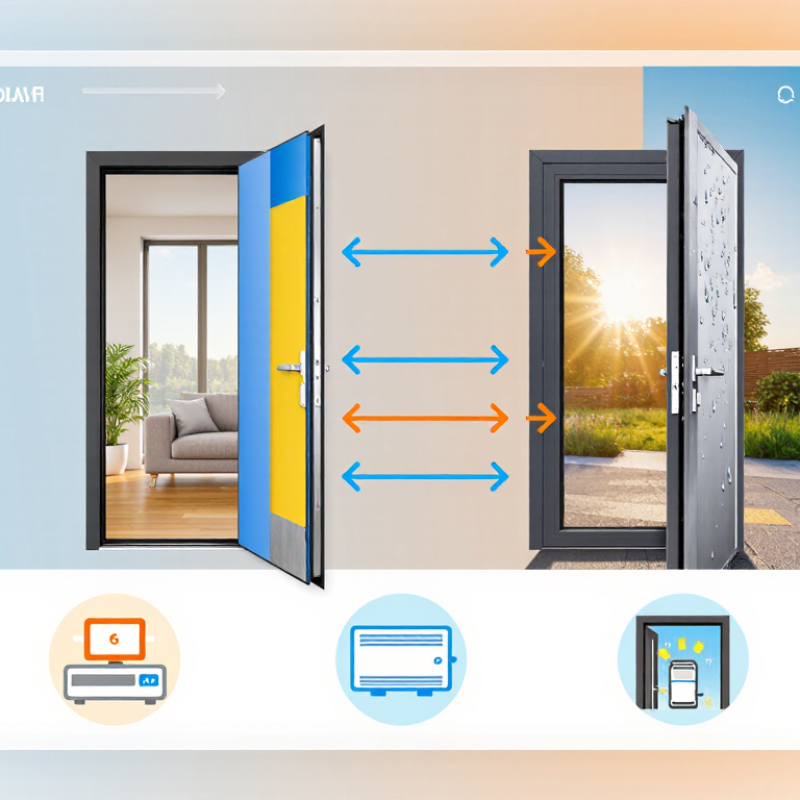
What Are the Top Benefits of Thermal Break Aluminum Doors?

What Are Thermal Break Aluminum Doors?

Thermal break aluminum doors are engineered to reduce heat transfer through the door frame. Traditional aluminum conducts outdoor temperatures quickly. A thermal break changes that pathway. Manufacturers place an insulating barrier, often reinforced polyamide, between the interior and exterior aluminum sections. This separation limits direct metal-to-metal contact.

In practice, the design helps keep indoor rooms more stable during hot summers and cold winters. It can also reduce cold surfaces and interior condensation around the frame. Homeowners may notice fewer drafts when the door includes accurate installation, quality seals, and correctly adjusted hardware. The aluminum structure remains strong, slim, and resistant to warping. It is not magic, though. Poor installation can weaken these benefits, even when the door itself performs well.

Tips: Check the frame’s thermal-break depth, gasket quality, glazing specification, and installation details. Ask for verified thermal performance data, such as U-values, rather than relying only on general claims. Inspect the threshold carefully, because this area often becomes a weak point. A professional installer should also assess wall conditions and drainage before fitting the door. Small gaps can become noticeable near a busy entrance. Door selection is rarely perfect on the first attempt; climate, orientation, and daily use deserve a careful review.

How Does a Thermal Break System Work?

Thermal break aluminum doors use a non-conductive barrier between the interior and exterior aluminum sections. This barrier is commonly made from reinforced polyamide. It interrupts the direct metal path that normally transfers heat quickly.

A simple image helps: the outer frame may face winter air, while the inner frame stays near room temperature. Without separation, heat crosses the aluminum almost like water through an open pipe. With a thermal break, heat must travel through a poorer conductor. The door can then reduce unwanted heat loss and help maintain steadier indoor temperatures. It is not magic. Glass quality, seals, thresholds, and installation still influence performance.

In practical projects, I look for a continuous barrier around the frame, not a narrow insert placed only in one area. Properly fitted gaskets also limit drafts and moisture movement. On a cold morning, a well-designed door should feel less icy along its inner edge. Condensation may decrease, especially where indoor humidity is controlled.

Small details matter.

However, thermal breaks cannot correct every design mistake. A poorly adjusted panel may leak air despite an excellent frame. Excessive indoor humidity can still create moisture on colder glass surfaces. Installers should check alignment, drainage paths, and seal compression after fitting. These checks are easy to overlook, and that is where performance sometimes falls short.

What Are the Main Energy Efficiency Benefits?

Thermal break aluminum doors improve energy efficiency by interrupting the metal path that transfers heat. A reinforced polyamide separator sits between the interior and exterior aluminum sections. This reduces thermal bridging around the door frame. In practical terms, warm indoor air stays inside longer during winter. Summer heat also enters more slowly.

During building inspections, I have noticed that the frame is only part of the result. Low-emissivity glass, tight weather seals, and accurate installation matter just as much. A well-designed door can reduce drafts near entrances and help heating or cooling systems operate less often. Lower energy demand may also improve indoor comfort beside large openings. However, thermal break technology is not magic. Poor alignment or damaged seals can weaken its performance quickly.

Tips: Check the door’s U-value, air-leakage rating, and glazing specification before purchase. Ask how the frame connects to the surrounding wall. A small installation gap can become a noticeable cold spot. Inspect seals after seasonal temperature changes, and clean the drainage channels regularly. These details are easy to overlook, even on a high-quality project.

What Are the Main Energy Efficiency Benefits of Thermal Break Aluminum Doors?

Thermal break aluminum doors reduce heat transfer through the frame by separating the interior and exterior aluminum sections with a low-conductivity insulating barrier. Lower U-values indicate better thermal performance and less conductive heat loss. Actual results vary with glazing, frame design, door size, installation quality, and climate.

How Do These Doors Improve Comfort and Durability?

Thermal break aluminum doors improve indoor comfort by limiting heat transfer through the frame. A non-metallic insulating section separates the inner and outer aluminum surfaces. In winter, the interior frame feels less cold near the handle and threshold. In summer, less outdoor heat moves into the room.

This matters beside large glass panels. A warmer frame can reduce cold drafts and surface condensation. Rooms may feel more stable, especially near patios, balconies, and exposed entrances. The effect is noticeable.

Durability also improves when the frame manages temperature changes more effectively. Aluminum expands and contracts, but a thermal break helps reduce stress across the door assembly. Quality seals, accurate drainage paths, and corrosion-resistant finishes remain essential. The frame alone cannot solve poor installation.

The weak point is often the fitting work. Even an advanced door may leak air if the opening is uneven or the seals are compressed incorrectly. Regular cleaning helps prevent grit from wearing rollers and tracks. Inspect the gaskets each season.

Some claims about energy savings deserve caution. Results depend on glass type, orientation, climate, shading, and installation quality. A carefully specified thermal break door can make a room quieter, steadier, and easier to maintain, but it is not magic.

What Are the Top Benefits of Thermal Break Aluminum Doors? - How Do These Doors Improve Comfort and Durability?
Performance figures are typical industry ranges for properly designed and installed systems. Actual results depend on door size, frame geometry, glazing, seals, hardware, installation quality, climate, and testing method.
Performance Dimension Thermal Break Aluminum Doors Conventional Non-Thermal-Break Aluminum Doors How the Difference Improves Comfort and Durability
Frame thermal transmittance (Uf) Typically about 1.5–2.5 W/m²·K for many thermally improved frame systems Often about 5.0–6.0 W/m²·K for basic, uninsulated aluminum frames Lower heat transfer helps maintain more stable indoor temperatures and reduces the heating or cooling load near the doorway.
Approximate frame heat-loss reduction Commonly around 50–70% lower than basic uninsulated aluminum frames, depending on the profiles and test configuration Higher heat flow through the continuous aluminum frame Less heat loss in winter and less heat gain in summer can improve energy efficiency and reduce drafts caused by cold interior surfaces.
Thermal break construction A low-conductivity polyamide or similar insulating section separates the interior and exterior aluminum components; common break widths are approximately 14–34 mm Interior and exterior aluminum sections are generally connected through a highly conductive metal path The separation interrupts the conductive heat path while preserving aluminum’s strength, dimensional stability, and slim appearance.
Interior frame surface temperature Normally warmer in cold weather than an equivalent non-thermal-break frame, subject to glazing and indoor conditions More likely to develop very cold interior frame surfaces during low outdoor temperatures Warmer surfaces improve occupant comfort near the door and reduce the risk of cold-air sensation and localized heat loss.
Condensation risk Reduced when the frame, glazing, spacers, seals, and installation are correctly specified Higher risk on cold frame surfaces, especially in humid indoor environments Reducing condensation helps protect finishes, flooring, adjacent materials, and hardware from moisture-related deterioration. The indoor dew point remains the controlling factor.
Weather resistance Can achieve strong air, water, and wind performance when paired with continuous gaskets, drained profiles, and tested hardware Performance varies widely and is not guaranteed by aluminum alone Better sealing and drainage help limit drafts, rain penetration, corrosion around joints, and deterioration of interior finishes.
Dimensional stability Aluminum remains rigid and relatively stable across normal temperature changes; the thermal break reduces direct heat transfer between sides Aluminum is also rigid, but the unbroken metal path transfers heat more readily Stable frames support consistent door alignment, reliable latching, and smoother operation when combined with suitable expansion allowances and installation practices.
Material durability Aluminum is resistant to rot and insect damage; a correctly finished system can provide decades of service, subject to environment and maintenance Also resistant to rot and insects, but cold bridging and moisture exposure may contribute to surrounding material problems Long service life, low biological deterioration, and replaceable seals or hardware can reduce maintenance and lifecycle costs.
Acoustic performance Can support improved sound reduction when combined with insulated glazing, tight seals, and a well-fitted door leaf Often limited by simpler seals, glazing, and frame details Thermal breaks do not determine acoustic performance by themselves, but the complete sealed assembly can improve indoor quietness and comfort.
Applicable performance evaluation Thermal performance may be assessed using methods such as EN ISO 10077-2 or NFRC procedures; complete doors should be tested as assemblies where required Basic frames may have less favorable calculated or tested thermal results Using recognized test methods makes it easier to compare verified performance rather than relying only on material descriptions.

What Factors Should You Consider Before Choosing One?

Thermal break aluminum doors can reduce heat transfer, improve indoor comfort, and limit condensation around the frame. Their strength also supports large glass panels without making the door feel fragile. However, the frame alone does not guarantee good energy performance. The glass, seals, and installation matter just as much.

Check the door’s certified U-value, air leakage rating, and water resistance before comparing prices. Lower U-values usually indicate better insulation, but local climate should guide the decision. A cold region may need triple glazing, while a mild area could use high-performance double glazing. Ask whether the thermal barrier is continuous around corners and the threshold. Small gaps there can create cold spots. They are easy to overlook.

Consider orientation, daily use, and maintenance access. A west-facing entrance may need solar-control glass to reduce afternoon heat. Homes near the coast require corrosion-resistant finishes and frequent hardware checks. Reliable drainage channels are essential after heavy rain.

Installation quality is often underestimated; an excellent door can still leak through an uneven opening. Request written test data and an installation warranty, not only attractive product claims. Budget for professional fitting, replacement seals, and future adjustments. The cheapest quotation may become expensive after repeated repairs. I would also inspect a working sample, because smooth operation on paper does not always match real use.

FAQS

What are thermal break aluminum doors?

They use an insulating barrier between the inner and outer aluminum sections. This barrier reduces direct heat transfer through the frame. The door stays strong and slim. It is not magic.

How does the thermal break system work?

A reinforced insulating strip interrupts the metal pathway. Heat must cross a poorer conductor instead of moving through continuous aluminum. Think of a narrow bridge with a weak link.

Can these doors keep rooms warmer in winter?

They can reduce heat loss through the frame during cold weather. The inner edge may feel less icy near the handle and threshold. Glass quality and installation still matter greatly.

Can thermal break doors reduce summer heat?

They can limit outdoor heat entering through the aluminum frame. This may help rooms feel steadier near patios and exposed entrances. Shading and glass selection remain important.

Do thermal break doors prevent condensation?

They may reduce condensation on colder frame surfaces. Indoor humidity still affects the result, especially beside large glass panels. Moisture can remain.

What details should buyers inspect?

Check the thermal-break depth, gasket quality, glazing, and threshold design. Ask for verified thermal data, including U-values. Inspect drainage paths carefully. Small gaps matter.

Can poor installation reduce door performance?

Yes. An uneven opening or badly compressed gasket can allow drafts. Installers should check alignment, seal compression, wall conditions, and drainage. A good frame cannot repair careless fitting.

How should thermal break aluminum doors be maintained?

Clean tracks and rollers regularly to remove grit. Inspect gaskets each season for damage or compression. Small maintenance tasks help. Neglect still happens.

Are energy savings guaranteed with these doors?

No. Results depend on climate, orientation, glass, shading, seals, and installation. A carefully specified door may improve comfort and reduce heat transfer. The improvement may feel smaller than expected.

Conclusion

Thermal break aluminum doors are designed with an insulating barrier between the interior and exterior aluminum sections, reducing the transfer of heat and cold through the frame. What are the benefits of thermal break aluminum doors? Their main advantages include improved energy efficiency, better indoor comfort, and reduced heating and cooling demands. By limiting thermal bridging, these doors help maintain more stable interior temperatures and can contribute to lower energy use throughout the year.

In addition to insulation, thermal break systems can reduce condensation and help protect surrounding finishes from moisture-related damage. Aluminum also provides strength, resistance to corrosion, and long-term durability with relatively low maintenance. Before choosing a thermal break aluminum door, consider the local climate, frame and glass specifications, installation quality, ventilation needs, security features, style, and overall budget. A well-selected door can offer a practical balance of performance, comfort, appearance, and service life.

Amelia

Amelia

Amelia is a seasoned marketing professional with a wealth of expertise in our company’s core offerings. With an unwavering passion for driving growth and innovation, she plays a pivotal role in shaping our marketing strategies and enhancing brand visibility. A key aspect of her responsibilities......