Choosing the right door type can be daunting. Understanding the nuances is crucial. Homeowners often ask, "What is the difference between pre-hung and slab doors?" Knowing this can help you make an informed decision.
Pre-hung doors come as a complete unit. They include the frame, hinges, and door itself. This makes installation straightforward and saves time. On the other hand, slab doors are just the door panel. They require more effort to install. If you're a DIY enthusiast, this may appeal to you. Yet, the complexity can be frustrating for some.
Both types have their merits and drawbacks. Pre-hung doors offer convenience and reliability. Slab doors offer customization and flexibility. Consider your needs carefully. Choose a solution that fits your skills and home aesthetic. Evaluating these options will lead to a better choice for your space.
Understanding Pre-Hung Doors: Features and Benefits
When selecting a door, understanding pre-hung doors can greatly enhance your decision-making. Pre-hung doors come as a complete unit, which includes the door itself, hinges, and frame. This all-in-one design simplifies installation. The frame adjusts perfectly to the door, reducing gaps and ensuring a snug fit. This feature can be particularly beneficial for beginner DIYers or those looking for an easier installation process.
Another advantage of pre-hung doors is their energy efficiency. The added frame helps prevent drafts, which can lead to energy loss. Additionally, many pre-hung models come with weather stripping, providing an extra layer of insulation. However, it is essential to consider your wall structure. If your walls are uneven, installation may require extra adjustments and potentially professional help. Recognizing these challenges ahead of time can save you from frustration later on.
Aesthetic value should also be considered. Pre-hung doors often come in various styles, from traditional to modern. You can easily choose a design that complements your home’s decor. However, the array of options can also be overwhelming. It’s crucial to balance style with functionality and budget. Taking the time to reflect on your priorities can lead to a more satisfying choice in the long run.
Exploring Slab Doors: Key Characteristics and Uses
When exploring slab doors, several key characteristics set them apart in the market. Slab doors are typically a flat panel made without any pre-attached frames or hardware. They offer a minimalist aesthetic, making them ideal for modern home designs. According to industry reports, nearly 30% of homeowners opting for DIY renovations prefer slab doors due to their simplicity and customization potential.
Slab doors are versatile and suitable for multiple applications. They can serve as exterior doors, interior passageways, or closet doors. Their flat surface allows for various finishes, including paint, veneer, or laminate. This adaptability makes them a popular choice for both new constructions and remodels. In fact, a survey revealed that over 40% of architects recommend slab doors for budget-conscious clients seeking stylish solutions.
When choosing slab doors, consider the material and thickness. Options range from solid wood to hollow-core designs. Solid wood doors may offer better insulation and soundproofing, while hollow-core versions are lightweight and economical. Maintain a balance between aesthetics and functionality. Always measure door frames accurately to avoid future complications. Remember, a well-chosen door enhances your home's appeal and functions seamlessly with your interior design.
Comparing Installation Processes for Pre-Hung and Slab Doors
When it comes to installing doors, choosing between pre-hung and slab options is crucial. Pre-hung doors come with a frame, ready to install. This can save time and effort. They often fit standard openings more easily. However, aligning and leveling them can be tricky. If the wall is not perfectly straight, adjustments might be needed. You could end up spending more time correcting these issues than you intended.
Slab doors, on the other hand, are just the door itself without a frame. They offer flexibility in customization. You can choose any hardware you like. However, you must handle the installation of hinges and the frame. This requires precise measurements and some DIY skills. For some, this process can be overwhelming. Mistakes could lead to a door that doesn't close properly or gaps that allow drafts.
Both options have their pros and cons. If you're short on time, a pre-hung door might be the way to go. However, if you enjoy a DIY project and want a unique look, consider a slab door. Assess your space and your abilities. Each choice reflects your needs and style. Be prepared for challenges, as both options require attention to detail.
Factors to Consider When Choosing Between Door Types
Choosing between pre-hung and slab doors can be daunting. Several factors influence this decision. First, consider the installation process. Pre-hung doors come as a complete unit, including the frame. This simplicity saves time and requires less skill. However, slab doors are just the door itself. They may need more precise installation, especially if you have non-standard dimensions.
Another important aspect is cost. Slab doors are often cheaper. They can be a great option for budget-conscious projects. However, depending on your skill level, the potential added cost of hiring a professional for installation might offset these savings. It’s essential to weigh your budget against your expertise and time.
Think about aesthetics too. Pre-hung doors can offer a consistent look since they are designed to fit the frame perfectly. Slab doors provide more freedom for customization. This flexibility may appeal to those wanting unique styles. But it could lead to overthinking choices and potential dissatisfaction later, as finding the right finish can be challenging.
Cost Analysis: Pre-Hung versus Slab Doors
When considering door options, the cost analysis reveals significant insights between pre-hung and slab doors. Pre-hung doors, which come with the frame and hinges attached, typically range from $100 to $300 each, depending on style and material. In contrast, slab doors are often more budget-friendly, priced between $50 and $150. The price difference highlights an essential factor. While slab doors appear cheaper initially, installation costs can increase overall expenses if you need professional help.
Installation costs for pre-hung doors are generally lower. They are easier to install, saving time and labor costs. According to industry data, labor for slab door installation can add an extra $50 to $150, making it essential to factor in this cost. A homeowner may think they save money with slab doors, but not considering installation can lead to budget overruns.
Quality differences also exist. Pre-hung doors usually offer better insulation and durability because they are factory-assembled. This can lead to long-term savings on energy bills. Slab doors may require additional weatherstripping or adjustments, resulting in extra costs over time. Therefore, analyzing not just initial costs but also long-term expenses is crucial in making the best decision for your home.
How to Choose Between Pre-Hung and Slab Doors? - Cost Analysis: Pre-Hung versus Slab Doors
| Feature |
Pre-Hung Doors |
Slab Doors |
| Installation Complexity |
Easier to install, includes frame |
Requires more skill for installation |
| Cost |
$150 - $400 |
$50 - $200 |
| Time to Install |
1-3 hours |
2-5 hours |
| Customization |
Limited, mostly standard styles |
Highly customizable |
| Durability |
Generally more durable due to frame |
Depends on the material used |
| Weight |
Heavier due to frame |
Lighter, door only |
| Best For |
New constructions, easy retrofits |
Replacing existing doors, DIY projects |
FAQS
: Pre-hung doors come as a complete unit, including the door, hinges, and frame.
Their all-in-one design ensures a snug fit and reduces gaps, making installation easier for DIYers.
Yes, they help prevent drafts and often include weather stripping for better insulation.
Uneven walls may require extra adjustments. This might mean hiring a professional, which could add costs.
Consider your home’s decor. Balance style with functionality and budget for a satisfying choice.
Pre-hung doors include a frame, while slab doors only consist of the door itself, requiring precise installation.
Yes, slab doors are typically cheaper but may cost more if installation requires a professional.
Pre-hung doors provide a consistent look, while slab doors offer customization, potentially leading to indecision.
An overwhelming array of choices may cause frustration. It's important to reflect on your priorities.
Consider installation ease, budget, style, and how these factors impact your overall satisfaction.
Conclusion
Choosing between pre-hung and slab doors involves understanding the distinct features and benefits each type offers. Pre-hung doors come as complete units, including the door frame, making installation easier and more straightforward, while slab doors are just the door itself and require more effort to fit into an existing frame. Each type has its own key characteristics; pre-hung doors are ideal for new constructions or significant renovations, whereas slab doors are often used for interior spaces or as replacements in existing frames.
When determining "What is the difference between pre-hung and slab doors," consider factors such as installation processes, the intended use of the door, and cost analysis. Pre-hung doors may have higher upfront costs but can save time during installation, while slab doors are generally more affordable but may require additional work. Ultimately, your decision will depend on your specific needs and project requirements.
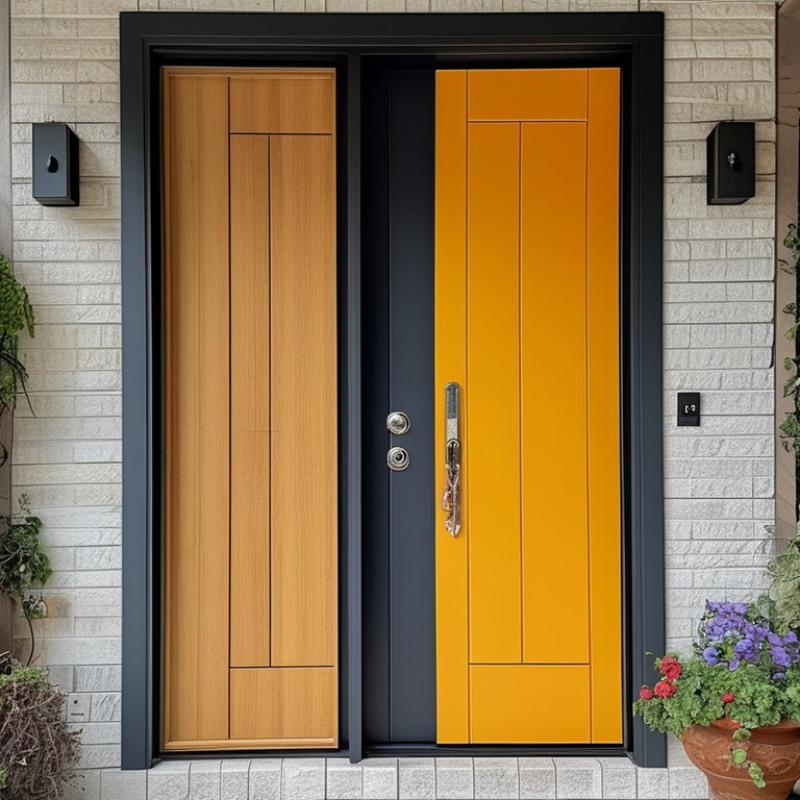

 RZ door